
Best Timing for Storm Restorations
Storm restorations are most effective when performed during periods of moderate weather conditions, avoiding extreme cold or heat which can hinder repair processes. The optimal window typically falls in late spring through early fall, when weather patterns are more stable and accessible for restoration work.
Late spring to early fall offers the best conditions for storm restorations, reducing delays caused by severe weather.
Consistent mild weather minimizes interruptions, ensuring timely and effective restoration efforts.
Understanding local storm patterns helps determine the ideal period for proactive restorations and repairs.
Scheduling restorations during favorable weather allows for comprehensive assessments and quality work.
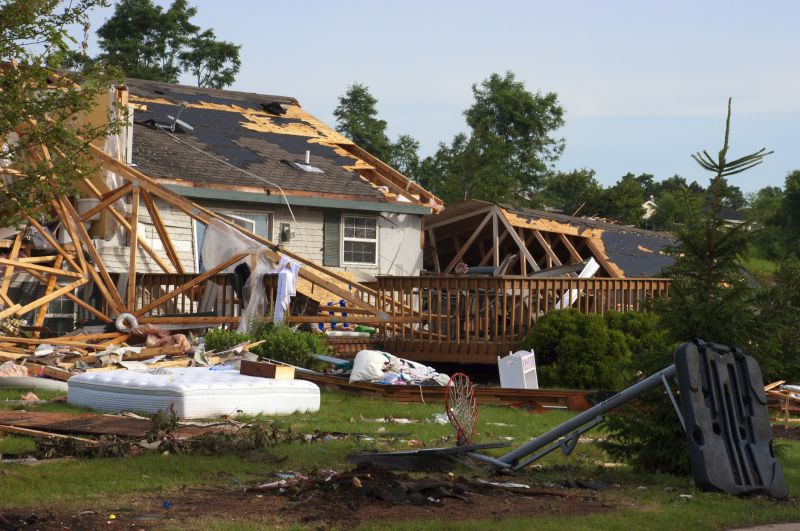
Evaluating damage promptly after storms ensures effective restoration planning.

Specialized tools and machinery are essential for efficient storm damage repairs.
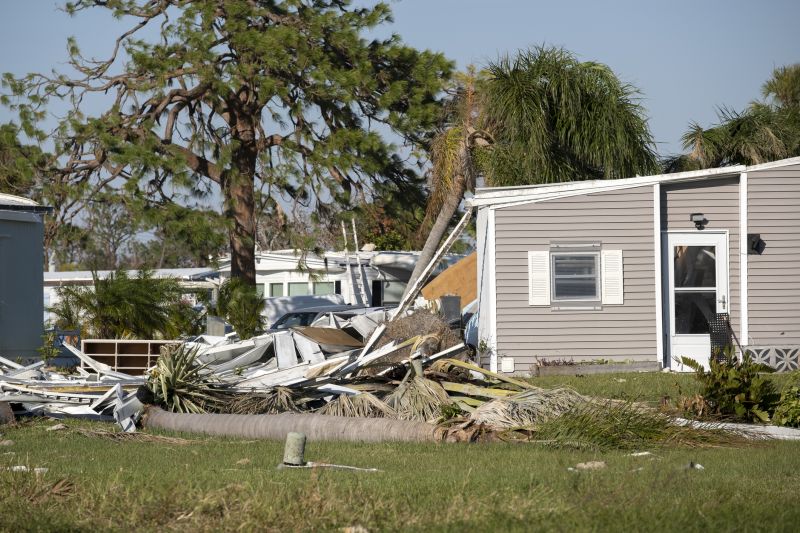
Showcasing successful storm restoration efforts in various weather conditions.

Ways to make Storm Restorations work in tight or awkward layouts.

Popular materials for Storm Restorations and why they hold up over time.

Simple add-ons that improve Storm Restorations without blowing the budget.
| Factor | Impact on Timing |
|---|---|
| Weather Conditions | Mild and stable weather supports timely restoration. |
| Storm Season Peaks | Avoiding peak storm months reduces risk of delays. |
| Temperature Extremes | Extreme cold or heat can impede repair work. |
| Storm Preparedness | Early planning allows for readiness before storm seasons. |
| Post-Storm Window | Immediate response minimizes additional damage. |
Storm restorations involve repairing and restoring structures damaged by severe weather events such as high winds, hail, and heavy rain. These efforts are crucial in maintaining the integrity of buildings and infrastructure, preventing further deterioration, and ensuring safety. Timely restoration can mitigate long-term costs and reduce downtime for property owners.
Statistics indicate that early intervention following storm damage significantly reduces repair costs. In regions prone to frequent storms, scheduling inspections and repairs during favorable weather periods enhances the quality and durability of restoration work. Proper planning and timely action are essential for effective storm damage management.
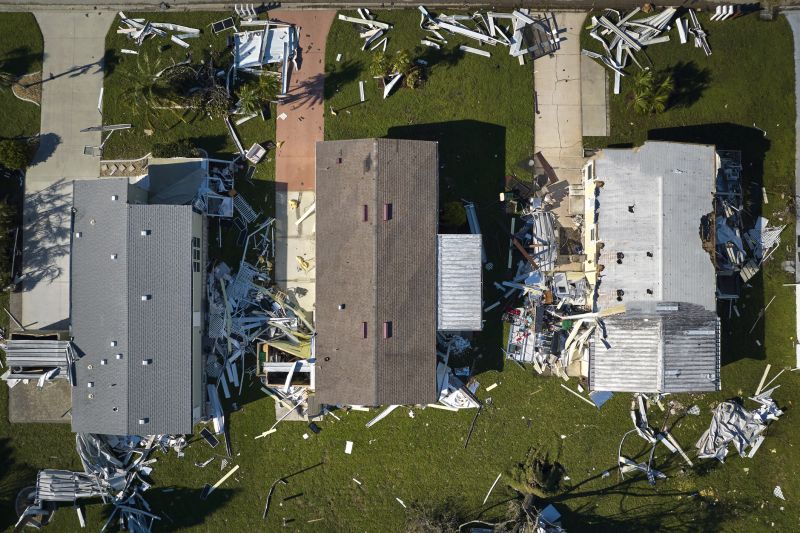
Visual comparison of damage and restoration results.

Teams performing repairs in suitable weather conditions.

Showcasing completed restoration projects.
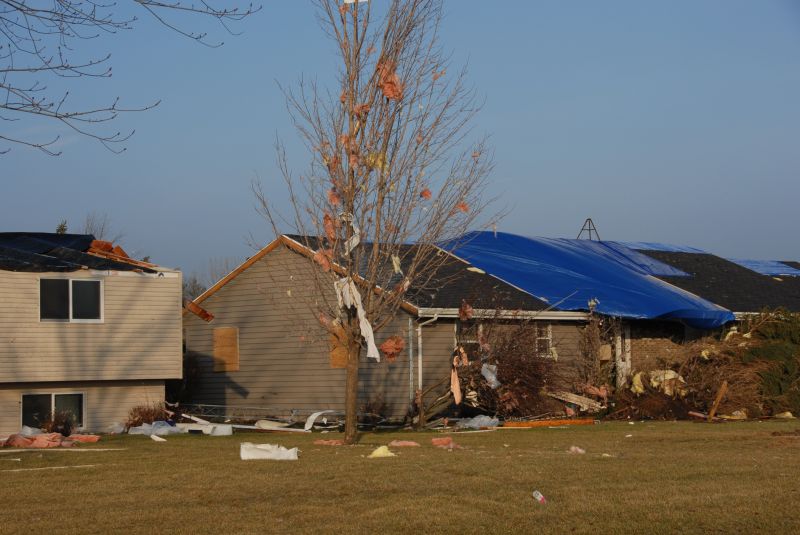
Images highlighting common damage caused by storms.

High-end options that actually feel worth it for Storm Restorations.
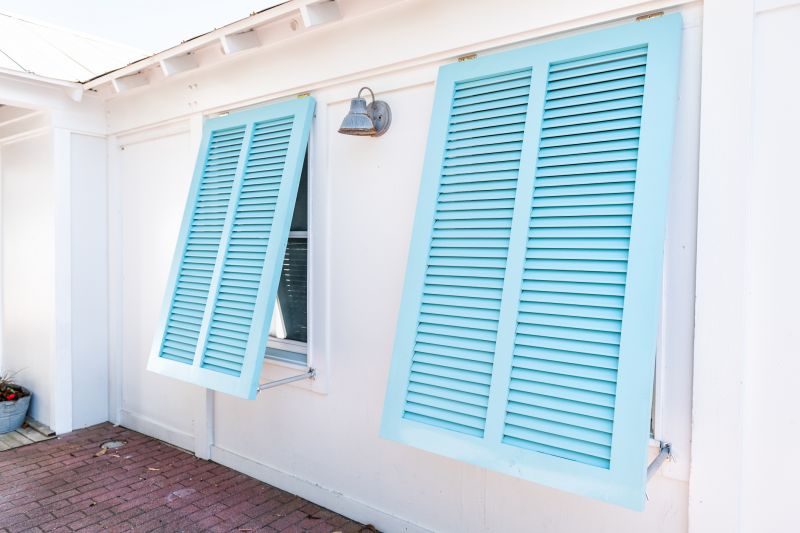
Finishes and colors that play nicely with Storm Restorations.

Little measurements that prevent headaches on Storm Restorations day.

A 60-second routine that keeps Storm Restorations looking new.
Interested parties are encouraged to contact for more information about storm restoration services. Proper timing and preparation can significantly influence the success of storm damage repairs, helping to restore safety and functionality efficiently.