
Top-Rated Products For Storm Damage Restoration Projects
Equip yourself with high-performance products that help restore properties efficiently following storm-related destruction.
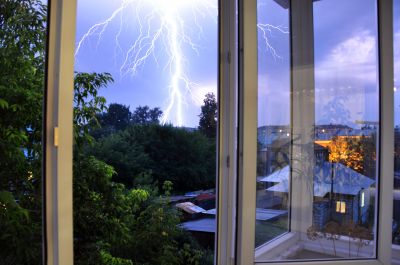 Storm restoration products are essential tools and materials used to repair and reinforce structures affected by severe weather events. In Boston, MA, where weather patterns can include heavy snow, strong winds, and occasional hurricanes, having the right storm restoration supplies can make a significant difference in restoring safety and stability to properties. These products are designed to address various damage types, including roof leaks, structural breaches, flooding, and wind damage.
Top Overall Option
Heavy-Duty Weatherproofing Sealant
A versatile, high-performance sealant designed to provide a durable barrier against water intrusion, wind, and other elements. Suitable for sealing roof penetrations, cracks in siding, and vulnerable joints, it offers reliable adhesion and flexibility to accommodate building movements. This product is an essential component of storm restoration efforts, helping to prevent further damage and maintain structural integrity over time.
Types of Products For Storm Restorations
Roofing Materials
Includes shingles, metal panels, and roofing membranes suitable for replacing or repairing storm-damaged roofs.
Waterproofing Membranes
Materials designed to prevent water penetration in vulnerable areas like foundations, basements, and roofs.
Structural Reinforcements
Steel braces, hurricane straps, and other hardware used to strengthen building frameworks against high winds.
Tarps and Coverings
Heavy-duty tarps and plastic sheeting for temporary protection of damaged areas during repairs.
Sealants and Caulks
Flexible, weather-resistant sealants for sealing gaps, cracks, and joints exposed during storms.
Flood Barriers
Products like water-filled dams and barriers designed to divert or block floodwaters from property entrances.
Debris Removal Tools
Heavy-duty shovels, rakes, and industrial vacuums for clearing storm debris efficiently.
Water Extraction Equipment
Industrial pumps and wet/dry vacuums for removing standing water from flooded areas.
Mold Prevention Products
Antimicrobial treatments and mold-resistant paints to prevent mold growth after water exposure.
Personal Protective Equipment
Gloves, masks, goggles, and protective clothing for safety during restoration tasks.
Insulation Materials
Storm-resistant insulation options to replace damaged or compromised insulation in walls and attics.
Gutter and Drainage Solutions
Enhanced gutter systems and drainage pipes to improve water runoff and prevent pooling.
Plywood and Sheathing
Strong, weather-resistant panels for temporary or permanent repairs to walls and roofs.
Fire Retardant Sprays
Treatments applied to building materials to reduce fire risk following storm damage.
Lighting and Power Supplies
Portable generators, floodlights, and extension cords for safe working conditions during outages.
Popular Choices
Widely used for temporary coverage of damaged roofs and windows during storm recovery.
Commonly selected for sealing cracks and gaps exposed to weather elements.
Popular roofing materials that offer enhanced durability in storm-prone areas.
Frequently used to protect entrances and low-lying areas from floodwaters.
Essential for removing large volumes of water from flooded spaces.
Commonly chosen to strengthen vulnerable building components against wind loads.
Popular for application after water damage to inhibit mold growth.
Standard protective gear for handling debris and damaged materials.
Widely used to provide illumination during repairs in low-light conditions.
Commonly selected as an additional layer of protection beneath shingles or metal roofing.
Popular for restoring thermal protection after storm-related damage.
Frequently installed to prevent debris accumulation and improve drainage.
Effective storm restoration begins with assessing the damage and selecting appropriate materials. Durable roofing materials, waterproofing solutions, and structural reinforcement products are key components of an effective restoration strategy. It is important to choose products that are compatible with existing building materials and meet local building codes. Proper installation and maintenance are also critical to ensure long-term resilience against future storms.
In addition to structural repairs, storm restoration often involves water extraction, mold prevention, and debris removal. Products such as heavy-duty tarps, sealants, and industrial-strength cleaning supplies can help mitigate secondary damages caused by water intrusion. For property owners and restoration professionals in Boston, having a comprehensive set of storm restoration products can streamline recovery efforts and help restore properties efficiently.
Investing in high-quality storm restoration supplies can also support safety during the repair process. Personal protective equipment, including gloves, masks, and eye protection, should be part of any storm damage response kit. By carefully selecting versatile and reliable products, property owners can better prepare for and respond to the challenges posed by severe weather events in the Boston area.
Key Buying Considerations
- Compatibility with existing building materials and structures
- Weather resistance and durability of the product
- Ease of installation and required tools or expertise
- Compliance with local building codes and standards
- Flexibility and ability to accommodate building movements
- Waterproofing and sealing capabilities
- Resistance to mold, mildew, and corrosion
- Coverage area and product size options
- Availability of manufacturer warranties or guarantees
- Cost-effectiveness over the long term
- Ease of transportation and handling
- Compatibility with safety equipment and protective gear
- Environmental conditions typical to the Boston area
- Availability of technical support or customer service
- Product reviews and user feedback for reliability